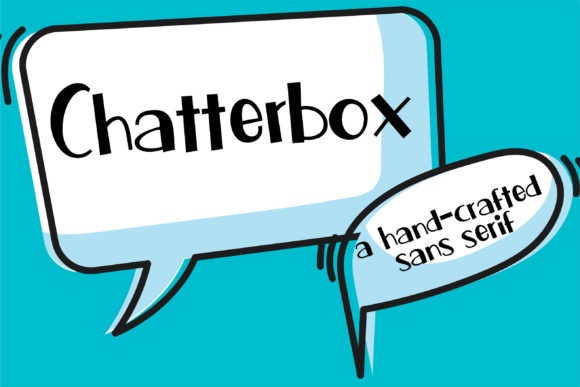
Chatterbox Font for Editorial Design and Creative Projects
Chatterbox is a dynamic display font that brings energy and character to editorial design. With its 3D-inspired style and classic charm, it stands out as a versatile choice for creative projects ranging from blog headers to printable guides. As someone who regularly works with fonts in publishing and digital content creation, I appreciate how Chatterbox adds personality without sacrificing readability.
This font blends the playful aspects of cartoon-style typography with the clean lines of traditional typefaces. Its unique visual characteristics make it ideal for headings, titles, and accent text where you want to capture attention while maintaining a sense of professionalism. The 3D effect gives it a modern edge, making it suitable for both digital and print formats.
Using Chatterbox in Editorial Layouts
When designing layouts for magazines, blogs, or ebooks, choosing the right font can significantly impact reader engagement. Chatterbox works particularly well for section headings, chapter openers, and cover titles. Its bold presence helps establish a visual hierarchy that guides readers through content effortlessly.
For example, in a lifestyle blog focused on travel, using Chatterbox for post titles creates an inviting and approachable tone. In a recipe ebook, it can be used for chapter headings, adding a fun yet professional feel to the content. Pairing Chatterbox with a clean sans serif font like Helvetica or Arial ensures that body copy remains easy to read, while the display font adds visual interest.
Chatterbox in Branding and Publication Identity
Consistency in typography plays a crucial role in building brand identity. Chatterbox can be used across various branding elements, such as logos, social media graphics, and promotional materials. Its distinct style allows for a cohesive look that reflects creativity and innovation.
In a digital magazine, using Chatterbox for headlines and pull quotes enhances the overall aesthetic while reinforcing the publication's voice. For a coaching workbook, it can be used in section headers and motivational quotes to create an engaging reading experience. The font’s versatility makes it suitable for both casual and formal contexts.
Readability and Practical Considerations
While Chatterbox excels in display purposes, it’s important to consider its performance in longer blocks of text. It’s best suited for short headings, subheadings, and accents rather than extended paragraphs. When used appropriately, it supports readability by creating clear visual breaks between sections of content.
For screen reading, mobile layouts, and PDF exports, ensure that the font renders clearly at different sizes and resolutions. Testing it across devices helps maintain consistency in appearance. Additionally, check if the font includes alternate characters, ligatures, and multilingual support, which can enhance its usability in diverse editorial contexts.
Font Pairing and Design Assets
Effective font pairing is essential for achieving balance in editorial design. Chatterbox pairs well with readable serif fonts for body copy and clean sans serif fonts for captions and navigation. This combination maintains visual harmony while ensuring legibility.
As a premium display font, Chatterbox can be integrated into design assets such as templates, printable guides, and lead magnets. Its inclusion in commercial projects requires proper licensing, especially when used in paid newsletters, client publications, or digital downloads. Always verify the license terms to ensure compliance with usage rights.
Examples of Chatterbox in Action
Imagine a wedding guide where Chatterbox is used for chapter titles and quote graphics. The font’s playful yet elegant style complements the theme of celebration and love. In a creator newsletter, it can be used for feature headlines and callout boxes, drawing attention to key content without overwhelming the reader.
For a printable planner, Chatterbox can be used in weekly headers or event labels, adding a touch of personality to an otherwise functional layout. In a digital magazine, it serves as an eye-catching element for article titles and special features, enhancing the reader’s experience.
Whether you're working on a personal project or a client publication, Chatterbox offers a unique opportunity to elevate your design. Its blend of classic and 3D aesthetics makes it a valuable addition to any designer’s toolkit. By using it thoughtfully, you can create visually appealing content that resonates with your audience and reinforces your brand identity.